The Importance of Accurate Flow Metering in Industrial Applications
In today's industrial landscape, precise flow measurement is a critical component of operational efficiency and safety. Flow meters play an essential role in a variety of sectors, including oil and gas, water treatment, and food and beverage processing. With the push toward automation and data-driven decision-making, understanding flow measurement technologies is more important than ever. As processes evolve, investing in reliable flow measurement solutions can lead to significant cost savings, compliance with regulatory standards, and enhanced product quality. When exploring options, Flow Meter provides comprehensive insights that can aid in this decision-making process.
Overview of Flow Meter Technologies
Flow meters come in various types, each designed to serve specific applications. The most commonly used technologies include Coriolis, electromagnetic, ultrasonic, and thermal mass flow meters. Coriolis flow meters are known for their high accuracy, making them ideal for applications where precise measurement is crucial, such as in custody transfer of hydrocarbons. Electromagnetic flow meters, on the other hand, are highly effective for measuring the flow of conductive fluids, often utilized in water and wastewater treatment facilities. Understanding these technologies helps industry professionals select the right equipment for their specific needs.
Common Misconceptions About Flow Measurement
Despite the importance of accurate flow measurement, many misconceptions persist. A common myth is that more expensive flow meters are always more accurate. In reality, the accuracy of a flow meter is determined by its design and suitability for the application, not merely its price. Additionally, some believe that all flow meters require the same maintenance. The truth is that maintenance requirements differ significantly based on the type and application of the meter. Educating stakeholders about these misconceptions can lead to better purchasing decisions and optimal flow meter usage.
Impact of Inaccurate Readings on Operations
Inaccurate flow measurements can lead to severe consequences in industrial settings. It can result in product loss, safety hazards, and regulatory violations. For example, in the oil and gas sector, inaccurate flow readings can affect fiscal transactions, leading to significant financial losses. Similarly, in the water treatment industry, incorrect measurements can lead to insufficient treatment processes, posing environmental risks. Ensuring that flow meters are properly calibrated and maintained is crucial to mitigate these risks.
Understanding Different Types of Flow Meters
Coriolis Flow Meters: Precision and Applications
Coriolis flow meters are among the most accurate flow measurement devices available today. They operate on the principle of the Coriolis effect, measuring flow rate based on the deflection of the flow path as it passes through vibrating tubes. This technology is suitable for a wide range of applications, including measuring viscous fluids, gases, and even slurries. Their precision makes them indispensable in high-stakes industries such as pharmaceuticals and aerospace.
Electromagnetic and Thermal Mass Flow Meters
Electromagnetic flow meters utilize Faraday's Law of electromagnetic induction to measure the flow of conductive liquids. They are favored in applications involving water treatment and chemicals, as they incur no pressure loss and have no moving parts, thereby minimizing maintenance. Thermal mass flow meters measure the mass flow of gases by applying heat to the fluid and measuring the change in thermal conductivity. Both technologies offer unique advantages, and selecting the right type depends on the specific fluid characteristics and application needs.
Choosing the Right Flow Meter for Your Needs
When selecting a flow meter, several factors must be considered, including fluid type, temperature and pressure conditions, required accuracy, and installation space. Conducting a thorough application analysis can help determine the most suitable technology. Additionally, consulting with manufacturers or experts in the field can provide valuable insights and recommendations tailored to individual operational requirements.
The Calibration Process: Ensuring Measurement Accuracy
Factory Calibration vs. Third-Party Calibration
Calibration is a critical aspect of maintaining the accuracy of flow meters. Factory calibration is performed before the flow meters are shipped and is suitable for most applications. However, for high-accuracy needs, such as custody transfer in the oil and gas industry, third-party calibration may be necessary. This independent calibration ensures that the flow meter adheres to national and international measurement standards, offering an extra layer of reliability.
Steps in Flow Meter Calibration
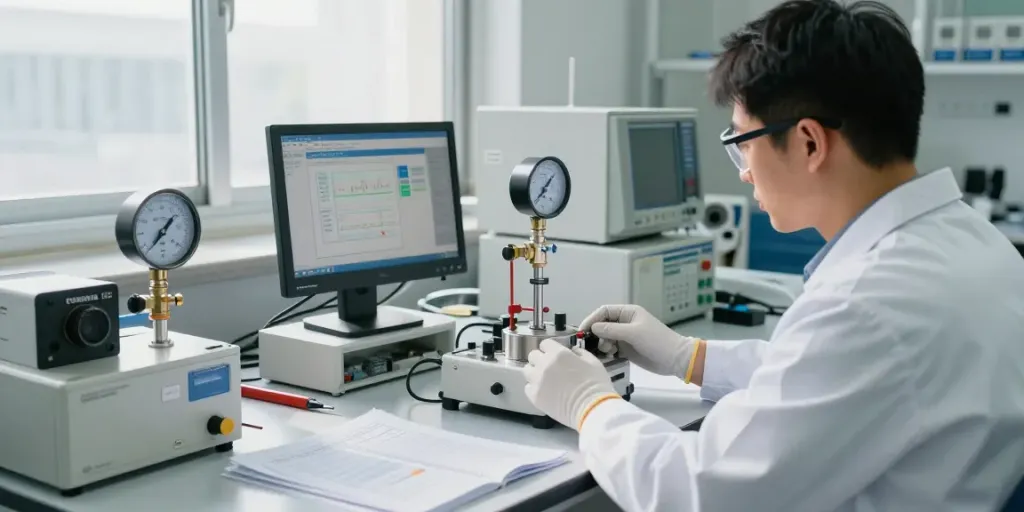
The calibration process generally involves several steps, including preliminary inspection, adjustment, and verification. First, the flow meter is inspected for any physical damage or installation errors. Next, adjustments are made to align the meter's readings with a known standard. Finally, verification confirms that the adjustments resulted in accurate readings. Consistent calibration practices are essential to maintaining measurement integrity over time.
Best Practices for Maintaining Calibration Standards
To maintain effective calibration standards, organizations should establish regular calibration schedules based on the manufacturer's guidelines and application requirements. Documenting calibration results and maintaining records can help track performance over time and identify potential issues early. Additionally, training personnel on proper calibration procedures ensures that technicians are equipped to keep flow meters operating optimally.
Future Trends in Flow Measurement Technology
Innovations to Expect in 2026 and Beyond
The flow measurement technology landscape is continually evolving. Innovations such as increased integration with smart technologies and enhanced data analytics capabilities are expected in the coming years. These advancements will allow for real-time monitoring and control, helping companies respond quickly to changes in operational conditions and improve efficiency.
The Role of IoT and Data Analytics in Flow Measurement
The Internet of Things (IoT) is playing a transformative role in flow measurement. IoT-enabled flow meters can provide continuous data streams that facilitate more informed decision-making. By using data analytics software, industries can analyze flow patterns, detect anomalies, and optimize processes. This level of insight enhances operational efficiency and enables predictive maintenance, reducing costly downtime.
Environmental Considerations and Sustainability in Measurement
As industries strive for sustainability, flow measurement technologies are also evolving to reduce environmental impacts. Advances in design and materials can minimize waste and energy usage during manufacturing and operation. Furthermore, accurate flow measurement reduces the risk of overflows and spills, contributing to environmental protection. Organizations increasingly recognize that investing in sustainable measurement solutions aligns operational goals with corporate responsibility.
Real-World Applications: Case Studies and Success Stories
Case Study: Effectiveness of Flow Meters in Oil & Gas
In the oil and gas industry, flow meters are crucial for accurate fiscal measurements and regulatory compliance. A major oil company implemented Coriolis flow meters across its pipeline network and reported a significant reduction in discrepancies during custody transfer processes. This upgrade led to improved profitability and enhanced relationships with stakeholders.
Water Treatment Solutions Through Accurate Flow Measurement
Accurate flow measurement is essential in water treatment facilities to ensure compliance with environmental regulations and safe drinking water standards. A municipal water treatment plant adopted electromagnetic flow meters to accurately measure flow rates of treated water. This upgrade not only improved operational efficiency but also reduced maintenance costs, highlighting the importance of reliable technologies.
Applications in Food & Beverage Processing Industries
In the food and beverage sector, maintaining product quality is paramount. A beverage manufacturer switched to thermal mass flow meters to control the flow of carbon dioxide in its bottling process. By ensuring precise gas measurements, the company improved product consistency and reduced waste, demonstrating how appropriate flow metering can enhance product quality and operational sustainability.
What are the key features to look for in a flow meter?
When selecting a flow meter, key features include measurement accuracy, compatibility with fluid types, the operating environment, and ease of installation and maintenance. Additionally, consider the meter’s response time and whether it can integrate with existing control systems for monitoring and automation.
How does flow meter calibration impact measurement accuracy?
Calibration directly influences the accuracy of flow measurements. Regular calibration ensures that the flow meter operates within specifications and delivers reliable data. Neglecting this process can result in significant financial losses and compliance issues, underscoring the importance of maintaining accurate calibration records and schedules.
What is the future of flow measurement technology?
Looking ahead, the future of flow measurement technology includes greater integration with IoT devices, enhanced analytical capabilities, and increased emphasis on sustainability. Industries are expected to adopt more advanced technologies that facilitate real-time monitoring and predictive maintenance, ultimately improving efficiency and reducing environmental impact.
How do I choose the right flow meter for my application?
Choosing the right flow meter involves assessing the specific requirements of your application. Key factors to consider include the type of fluid being measured, the required accuracy, operating conditions, and budget constraints. Consulting with experts in the field can provide valuable insights and help ensure the selection of the most appropriate technology.
What are the environmental factors affecting flow meter performance?
Environmental factors such as temperature variations, pressure fluctuations, and the presence of particulates can significantly impact flow meter performance. It is essential to consider these factors during the selection process to ensure that the chosen flow meter can reliably operate under the specific conditions of the application.